
Your Ultimate Guide to Offline Gambling in New Zealand 🗺️
Welcome to your premier guide for offline gambling in New Zealand, featuring a curated list of its top casinos! Aipcoin.com offers comprehensive reviews, inside...more
Welcome to your premier guide for offline gambling in New Zealand, featuring a curated list of its top casinos! Aipcoin.com offers comprehensive reviews, insider tips, and essential details on the best land-based casino experiences New Zealand has to offer. Whether you're seeking luxury resorts or local gaming hotspots, find all the information you need right here 🗺️.
Explore New Zealand's Elite Casinos & Essential Gaming Info 🧐
Dive into our detailed listings of leading casinos in New Zealand, complete with insights on game variety, amenities, and location. We also provide crucial guidance on New Zealand's gambling laws, currency, etiquette, and tips for a safe and responsible gaming adventure. Let Aipcoin.com help you plan your ultimate casino visit in New Zealand and discover its most thrilling gaming destinations!
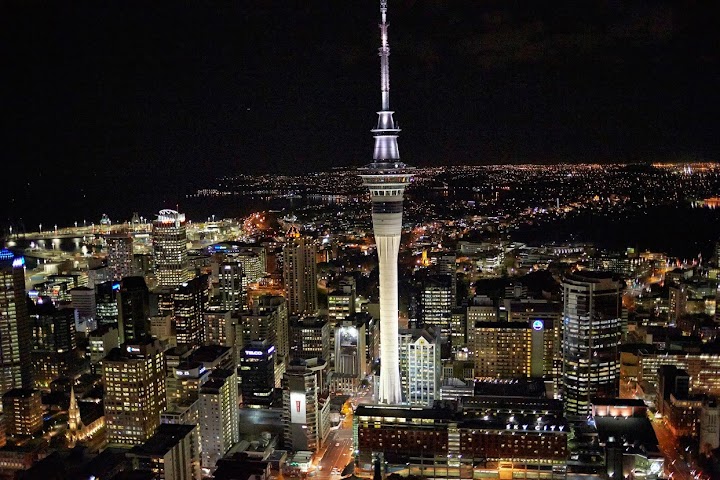
SkyCity Auckland
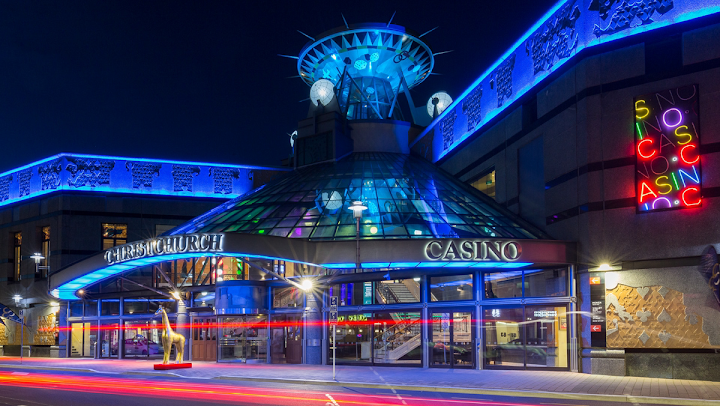
Christchurch Casino

SkyCity Hamilton

SkyCity Casino

SKYCITY Queenstown Casino
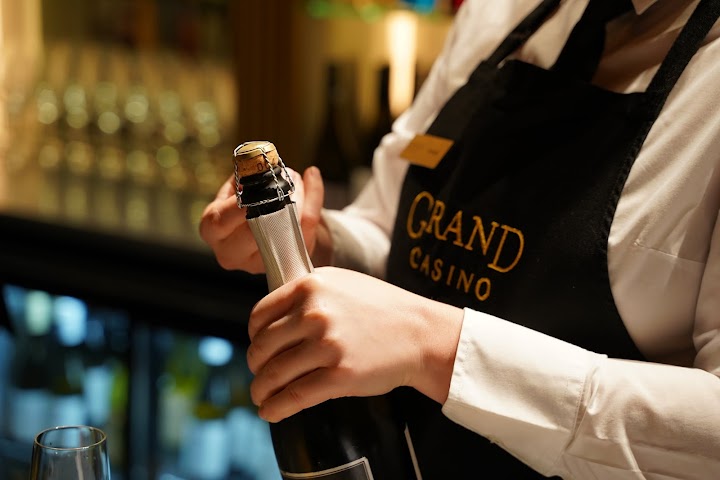
Grand Casino
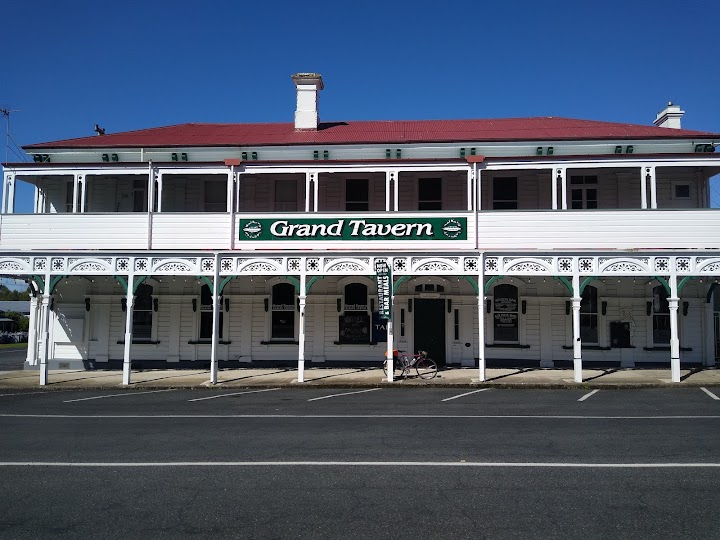
The Grand Tavern

The Brass Boxer Sports Bar

CASINO HIRE

SkyCity Entertainment Group
Gambling in New Zealand
New Zealand boasts a well-defined and rigorously regulated framework for offline gambling. Unlike many nations where gambling might operate in a grey area, the Kiwi approach is characterized by strong legislative control, a focus on harm minimization, and a significant portion of gambling proceeds directed towards community good. This detailed post delves into the various facets of offline gambling in Aotearoa, from its legal underpinnings to the types of establishments and the efforts made to promote responsible play.
The Pillars of Gambling Legislation 📜
The foundation of all legal gambling activities in New Zealand is the Gambling Act 2003. This comprehensive legislation superseded previous acts and introduced a unified approach to regulate all forms of gambling. Its primary objectives are:
- Controlling the growth of gambling.
- Preventing and minimizing the harm caused by gambling.
- Facilitating responsible gambling.
- Ensuring the integrity and fairness of gambling.
- Limiting opportunities for crime and dishonesty.
- Allowing a proportion of the profits from gambling to be returned to the community.
The Act categorizes gambling into different classes based on factors like the prize value and the proceeds' destination, with specific rules governing each class.
Diverse Forms of Legal Offline Gambling 🎰
Offline gambling in New Zealand takes several forms, each with unique characteristics and regulatory requirements.
Casinos: The Entertainment Hubs ♠️
New Zealand has a limited number of land-based casinos, strategically located in major cities. These establishments offer a range of traditional casino games, including:
- Table Games: Such as Blackjack, Roulette, Baccarat, and Poker.
- Electronic Gaming Machines (EGMs): Commonly known as 'pokies' in New Zealand, these are also prevalent in casinos.
Casino operators are subject to stringent licensing and operational controls, overseen by the Department of Internal Affairs and the Gambling Commission. They are also required to implement robust harm minimization strategies.
Gaming Machine Venues (Pokies): Community Play 💰
Outside of casinos, EGMs (pokies) are widely available in pubs, clubs, and hotels across the country. These non-casino gaming machines are often referred to as 'Class 4' gambling under the Gambling Act 2003. A crucial aspect of this type of gambling is that:
- They must be operated by a non-profit society or trust.
- A significant portion (currently at least 40%) of the net proceeds generated from these machines must be returned to the community as grants for charitable, cultural, or sporting purposes.
While these machines contribute significantly to community funding, they are also recognized as posing a higher risk for problem gambling, leading to concentrated efforts in harm minimization for these venues.
Lotto NZ: National Lottery and Instant Wins 🎟️
Lotto New Zealand operates the country's national lottery, offering several popular games through retail outlets nationwide:
- Lotto: The flagship draw game with a jackpot.
- Powerball: An add-on to Lotto for larger jackpots.
- Strike: Another add-on, focusing on matching numbers in exact order.
- Keno and Play3: Daily draw games.
- Instant Kiwi: Scratch-and-win tickets offering immediate results.
Similar to non-casino pokies, Lotto NZ's profits are directed back into the community, funding various initiatives through the New Zealand Lottery Grants Board, supporting sports, arts, culture, and community organizations.
TAB: Racing and Sports Betting 🐎⚽
The New Zealand Racing Board, trading as the TAB (Totalisator Agency Board), holds the exclusive right to operate betting on racing (thoroughbred, harness, and greyhound) and sports events within New Zealand. TAB outlets are found in dedicated agencies, pubs, clubs, and online. The profits generated by the TAB are vital for the sustainability and development of the New Zealand racing and sports industries.
Class 3 & 4 Gambling: Fundraising and Community Support 🤝
Beyond casinos and large-scale operations, the Gambling Act 2003 defines classes of gambling based on prize value and proceeds. Class 3 and 4 gambling often relate to fundraising activities:
- Class 3: Involves prizes or turnover between $5,000 and $25,000. Examples include larger raffles or bingo (housie) events. Requires a license from the Department of Internal Affairs.
- Class 4: Exceeds $25,000 prize/turnover or involves gaming machines (pokies). As mentioned, this is the category for non-casino EGMs and requires extensive regulation.
These classes are primarily for community, charitable, or sporting purposes, ensuring that a significant portion of the funds raised directly benefits the organization or cause.
Class 1 & 2 Gambling: Small Scale and Social 🎲
At the lower end of the scale are Class 1 and 2 gambling activities, which are generally smaller, lower-risk, and often social in nature:
- Class 1: Prize value up to $500, with no more than $500 turnover in any 24-hour period. Does not require a license. Examples include small office sweepstakes or raffles with low-value prizes.
- Class 2: Prize value between $500 and $5,000, with no more than $25,000 turnover in any 24-hour period. Does not require a license, but specific rules apply (e.g., conducted by an organization for its benefit).
These classes are typically exempt from extensive licensing requirements, provided they adhere to specific criteria.
Who Keeps Watch? Regulation and Oversight Bodies ⚖️
The regulation of gambling in New Zealand is a multi-agency effort, ensuring compliance, fairness, and a focus on minimizing harm.
- Department of Internal Affairs (DIA): The primary regulatory body, responsible for administering the Gambling Act 2003. It issues licenses, conducts compliance monitoring, and provides advice on gambling policy.
- Gambling Commission: An independent statutory body responsible for hearing appeals on licensing decisions made by the DIA, considering complaints about the conduct of gambling, and determining applications for casino operator and venue licenses.
- Ministry of Health: Focuses on public health aspects, commissioning and funding problem gambling prevention and treatment services.
Prioritizing Wellbeing: Harm Minimisation and Responsible Gambling 🧘
New Zealand places a strong emphasis on reducing gambling-related harm. Measures and services include:
- Exclusion Orders: Individuals can self-exclude from casinos or venues, or be excluded by venue staff if they are deemed to be experiencing gambling harm.
- Problem Gambling Services: A national network of free and confidential services, including counseling, support groups, and public health initiatives.
- Responsible Host Requirements: Venue staff are trained to identify and assist customers who may be experiencing gambling harm.
- Advertising Controls: Strict regulations on gambling advertising to prevent undue influence or targeting vulnerable populations.
- Mandatory Information: All gambling venues must display information about problem gambling services.
These measures reflect a proactive approach to addressing the social costs associated with gambling.
Beyond the Bet: Economic and Social Impact 📊
Offline gambling in New Zealand has a significant economic footprint. It generates substantial revenue, with a considerable portion of proceeds being returned to the community through grants for sports, arts, culture, and social services. This funding is crucial for numerous non-profit organizations nationwide.
However, there are also social costs, primarily related to problem gambling, which can lead to financial distress, relationship breakdown, and mental health issues for individuals and their families. The regulatory framework attempts to balance these economic benefits with the imperative to minimize social harm.
The Road Ahead: Future Outlook and Discussions 🔮
The landscape of gambling is constantly evolving, influenced by technological advancements and societal shifts. While offline gambling remains a significant part of the New Zealand gambling scene, ongoing discussions revolve around:
- The ongoing review of the Gambling Act 2003 to ensure its continued relevance and effectiveness.
- Balancing community funding needs with harm minimization objectives, particularly concerning non-casino gaming machines.
- Adapting regulations to address the interplay between offline and increasingly popular online gambling activities.
Conclusion: A Regulated Landscape 🇳🇿
Offline gambling in New Zealand is a highly structured and regulated sector. From the controlled environment of casinos to the widespread availability of community-funded gaming machines and the national lottery, every aspect is governed by the Gambling Act 2003 with an explicit focus on responsible conduct and harm minimization. While it provides entertainment and significant community funding, the regulatory bodies and health services remain vigilant in addressing the potential negative impacts, ensuring a balanced and accountable approach to gambling within Aotearoa.