
Discover Offline Gambling in Kathmandu, Nepal️️
Your ultimate guide to offline gambling in Kathmandu, Nepal, complete with insights into the city's premier casino venues and access to a list of top casinos ac...more
Your ultimate guide to offline gambling in Kathmandu, Nepal, complete with insights into the city's premier casino venues and access to a list of top casinos across Nepal! AIPCoin.com delivers detailed reviews, local gaming laws, and essential tips for your casino adventures in Kathmandu 🗺️.
Explore Kathmandu's Top Casinos & Essential Visitor Information 🧐
Dive into our curated content on leading casinos located within Kathmandu, featuring specifics on game offerings, amenities, and unique local experiences. We also provide vital guidance on customs in Kathmandu, gambling regulations for Nepal, and how to ensure a safe and responsible gaming journey. Start planning your casino exploration in Kathmandu with AIPCoin.com today!
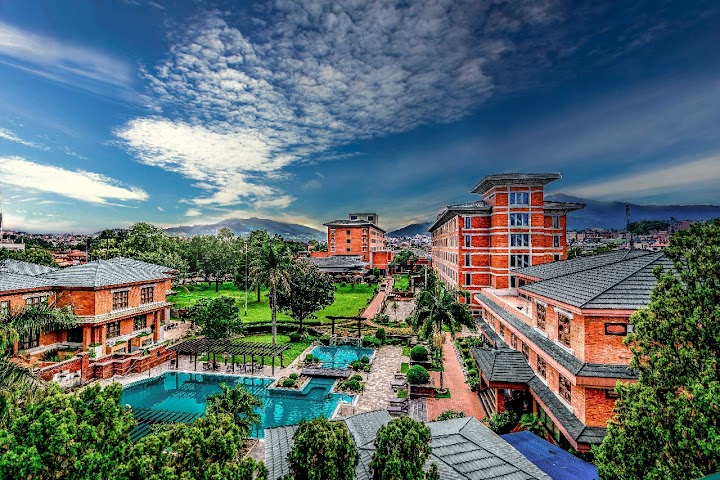
The Soaltee Kathmandu

Casino Mahjong
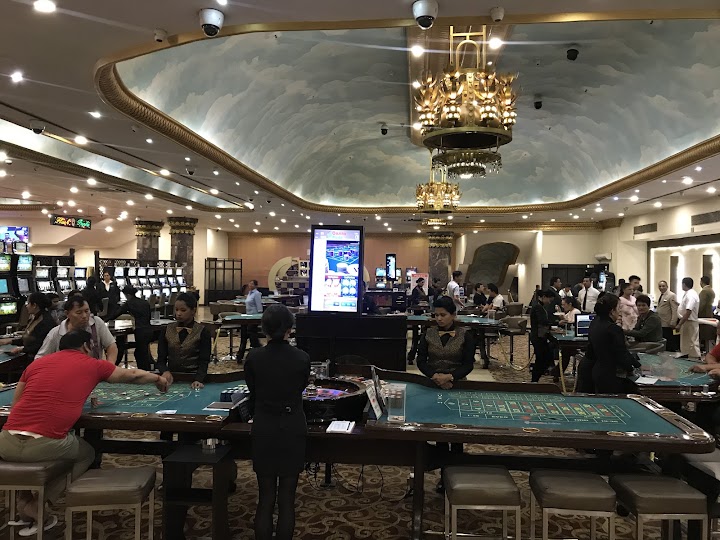
Casino Pride Nepal
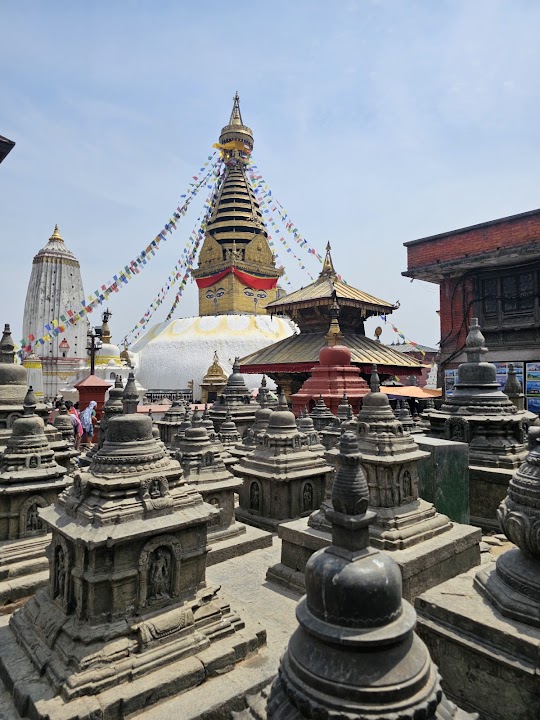
Shivalaya Holidays - Nepal Muktinath Kailash Tour Operator

BALLY’S CASINO

CMG Club Casino

Baji Nepal
Gambling in Kathmandu
Kathmandu, the bustling capital of Nepal, presents a unique paradox when it comes to gambling. While officially restricted for its own citizens, a visible, albeit complex, ecosystem of offline gambling exists, primarily catering to foreign visitors and, in more clandestine forms, to locals. This post delves into the legal framework, where gambling occurs, the types of games played, and the inherent risks associated with this often-misunderstood aspect of Kathmandu's nightlife and social fabric.
The Legal Landscape ⚖️
Understanding the legality of gambling in Nepal is crucial to grasp the nuances of the scene in Kathmandu.
Nepal's gambling laws are rooted in the Gambling Act of 1963. This legislation unequivocally prohibits gambling activities for Nepali citizens. Participating in gambling, whether operating a game or merely playing, can lead to significant fines and even imprisonment for locals. The intent behind this law is to protect Nepali society from the negative social and economic impacts associated with habitual gambling.
However, an exception has been carved out for licensed casinos. These establishments operate under specific governmental regulations and licenses, primarily designed to attract foreign tourists and generate revenue. Historically, the legal framework has permitted these casinos to operate on the condition that they are exclusively for non-Nepali passport holders.
Enforcement and Loopholes
While the law is strict on paper, its enforcement varies. For Nepali citizens, the law is generally applied with severity, especially in cases of police raids on illegal gambling dens. For foreign tourists, particularly within the licensed casino environment, the enforcement is different. The primary target of the law's restriction is the local population, creating a segregated gambling landscape.
Where Does Offline Gambling Occur? 🗺️
Offline gambling in Kathmandu unfolds across several distinct environments, each with its own level of legality and risk.
Licensed Casinos 🎲
These are the most visible and 'legitimate' venues for offline gambling in Kathmandu. They are typically located within five-star hotels and operate under strict government licenses. Their primary clientele consists of foreign tourists from various countries, especially India, who are legally permitted to gamble within these premises. These casinos offer a wide array of games, often with a luxurious ambiance.
Examples (though specific names may change due to licensing/operation status): Historically, places like Casino Royale, Casino Mahjong, and others within prominent hotels have been operational. These establishments are generally well-regulated, though visitors should always be aware of their surroundings and the casino's rules.
Private & Underground Games 🤫
This is the clandestine side of offline gambling and is strictly illegal for everyone, including foreigners, if caught. These games typically occur in:
- Private Residences: Often organized among friends or specific networks, these games can range from small stakes to high-roller affairs.
- Informal 'Clubs': Unlicensed premises, sometimes disguised as social clubs, where gambling takes place away from official scrutiny.
- During Festivals: The most common time for informal gambling among Nepalis is during the Tihar festival (Deepawali). Card games, particularly Teen Patti and Marriage, are played openly and widely in homes and communities across Nepal during this specific period, often with a degree of informal social acceptance despite being technically illegal. Police raids during this period are rare unless there are specific complaints or very high stakes involved.
Local Bets & Street Games
On a smaller, less organized scale, informal betting occurs. This could be anything from casual card games in local tea shops (though less common now) to unofficial sports betting rings, primarily focused on cricket or other popular sports. These are usually low-key and primarily involve locals.
Common Games Played 🃏
The variety of games encountered in Kathmandu's offline gambling scene reflects both international casino standards and local traditions.
In Licensed Casinos:
- Roulette: The classic spinning wheel game.
- Blackjack: Aiming for 21.
- Baccarat: A popular card game, especially among high rollers.
- Poker: Various forms including Texas Hold'em.
- Slot Machines: Electronic games with various themes and payouts.
- Andar Bahar: A popular Indian card game also found in Nepalese casinos.
In Private/Underground Settings & During Festivals:
- Teen Patti (Flush): A three-card poker-like game, extremely popular in South Asia.
- Marriage: Another popular card game among Nepalis, often played with multiple decks.
- Langur Burja (Crown and Anchor / Hazar): A dice game, particularly popular during Tihar.
- Kitti: A traditional Nepali dice game.
- Jhandi Munda: Another dice game similar to Langur Burja, common during festivals.
Risks and Realities for Gamblers ⚠️
While the allure of gambling can be strong, it's essential to be aware of the inherent risks, especially in a context where legality is complex.
For Nepali citizens, engaging in any form of gambling outside the strict confines of licensed casinos (and even within them if caught, as they are technically forbidden) carries significant legal consequences. This can include arrest, fines, and imprisonment, depending on the severity of the offense.
For foreign visitors:
- Legal Clarity in Casinos: Stick to licensed casinos. As long as you are a non-Nepali passport holder, gambling in these establishments is legally permissible. However, always carry your passport or a copy for verification.
- Risks of Underground Games: Participating in private or underground games, even as a tourist, is illegal. If caught in a police raid, you could face legal trouble, including detention and fines, though typically less severe than for locals. More importantly, these unregulated environments carry risks of:
- Cheating: Games may not be fair.
- Theft: You might be targeted for your winnings or cash.
- Violence: Disputes can escalate in unregulated settings.
- Lack of Recourse: If something goes wrong, you have no legal standing for complaint.
- Financial & Social Risks: Like gambling anywhere, there's always the risk of financial loss and addiction. The social stigma for locals associated with gambling addiction is also very high.
- Safety: Exercise caution, especially if you win significant amounts of money. Be mindful of your surroundings and avoid displaying large sums of cash.
Navigating the Scene: Advice for Visitors 🗣️
For those considering engaging with offline gambling in Kathmandu, a cautious and informed approach is recommended:
- Stick to Licensed Casinos: If you wish to gamble, the safest and legally compliant option for foreigners is to visit a licensed casino located within a reputable hotel.
- Always Carry ID: Be prepared to show your foreign passport (or a copy) as proof of non-Nepali nationality if requested by casino staff.
- Be Wary of Invitations: Politely decline invitations to private or informal gambling games, especially if approached by strangers. These are generally illegal and unregulated, putting you at risk.
- Understand the Law: Remember that the law is strict for locals. Be respectful of local laws and customs.
- Gamble Responsibly: Set a budget and stick to it. Gambling should be for entertainment, not a means to make money.
- Prioritize Safety: Do not carry excessive amounts of cash. Be aware of your surroundings, especially when leaving a casino late at night.
Conclusion
Offline gambling in Kathmandu presents a fascinating dichotomy: openly accessible to foreigners in regulated casinos, yet strictly prohibited for its own citizens, pushing local gambling into the shadows. While licensed casinos offer a relatively safe and legal environment for tourists, the underground scene carries significant risks. Understanding these distinctions is key to navigating the city's complex gambling landscape, ensuring both compliance with local laws and personal safety.