
Your Ultimate Guide to Offline Gambling in Vietnam 🗺️
Welcome to your premier guide for offline gambling in Vietnam, featuring a curated list of its top casinos! Aipcoin.com offers comprehensive reviews, insider ti...more
Welcome to your premier guide for offline gambling in Vietnam, featuring a curated list of its top casinos! Aipcoin.com offers comprehensive reviews, insider tips, and essential details on the best land-based casino experiences Vietnam has to offer. Whether you're seeking luxury resorts or local gaming hotspots, find all the information you need right here 🗺️.
Explore Vietnam's Elite Casinos & Essential Gaming Info 🧐
Dive into our detailed listings of leading casinos in Vietnam, complete with insights on game variety, amenities, and location. We also provide crucial guidance on Vietnam's gambling laws, currency, etiquette, and tips for a safe and responsible gaming adventure. Let Aipcoin.com help you plan your ultimate casino visit in Vietnam and discover its most thrilling gaming destinations!

The Grand Ho Tram

The IMPERIAL Hotel

Club SEVEN DRAGON

Club 99
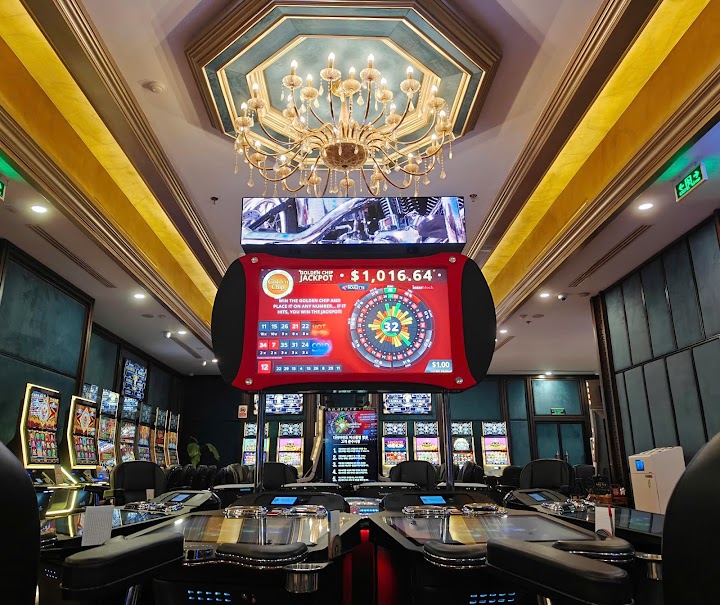
Diamond Bay Gaming Club
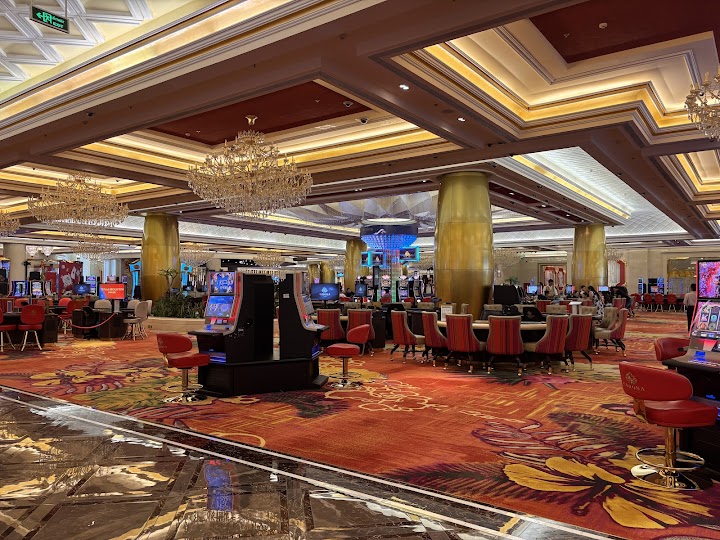
Corona Resort & Casino Phu Quoc

Nha Trang Lodge Hotel

Doson Resort & Casino

Club One Opera
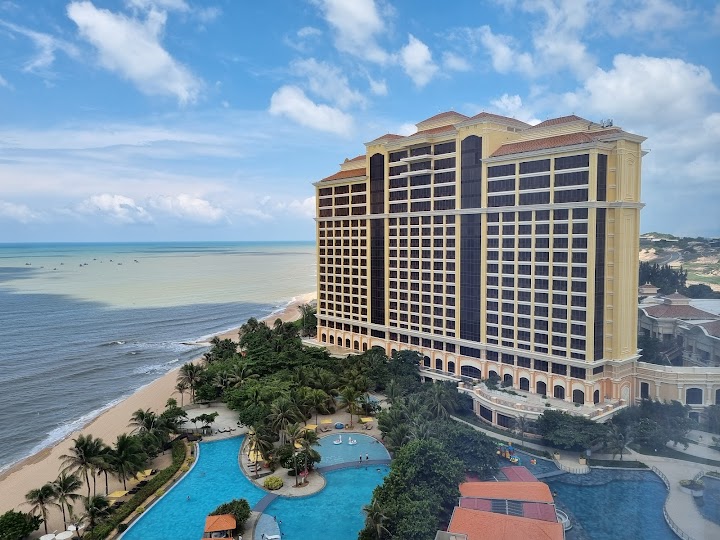
The Grand Casino Hồ Tràm

Felix E-gaming Club

Caesars Palace Casino
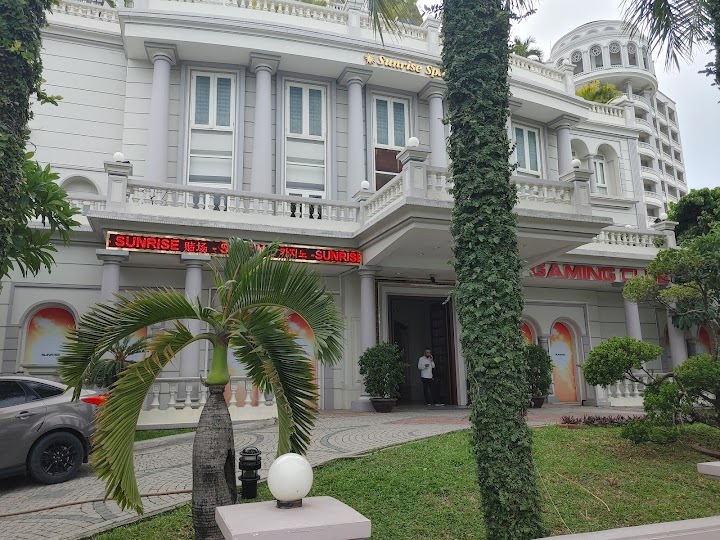
Sunrise Gaming Club
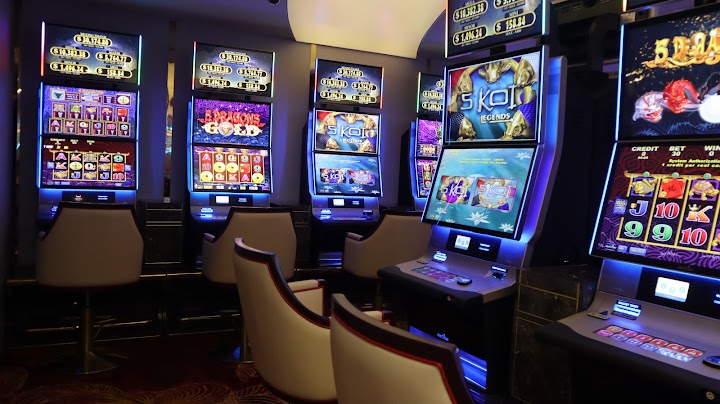
Muongthanh game club

Crown Games Club
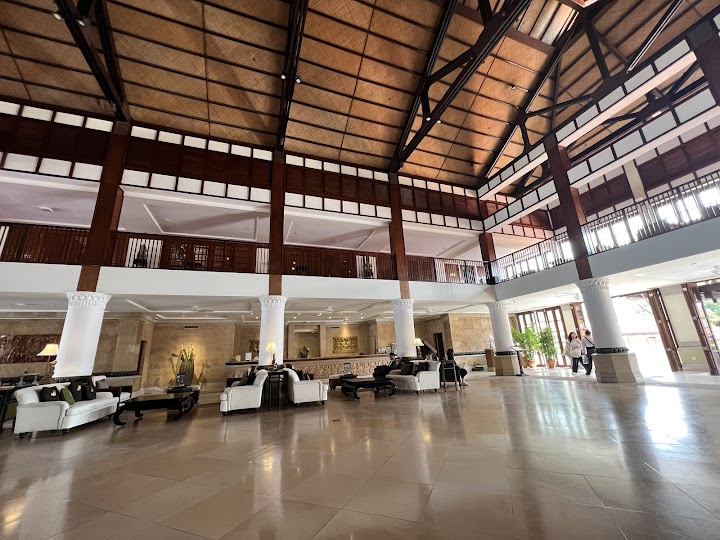
프라마리조트 카지노
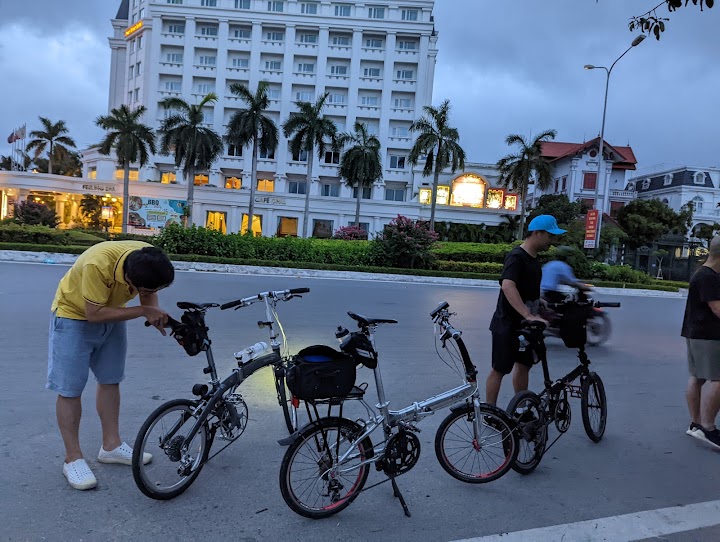
Pearl Gaming Club
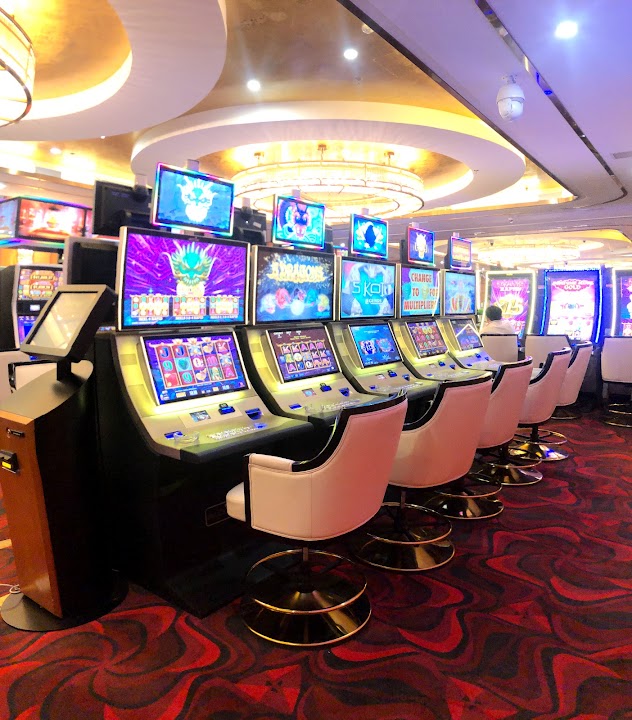
WYN E-GAMING CLUB HA LONG - CASINO

Hoiana Casino

Nagamas VIP Club
Gambling in Vietnam
Vietnam, a nation renowned for its vibrant culture and stunning landscapes, has a complex and often contradictory relationship with gambling. While widely prevalent among its citizens, particularly in informal settings, the legal framework surrounding offline gambling remains largely restrictive. This detailed post explores the intricacies of offline gambling in Vietnam, from its legal status to the pervasive underground scene and its societal impacts.
The Legal Landscape: A Tightrope Walk ⚖️
Gambling in Vietnam is primarily outlawed for its citizens, with a few notable exceptions. The government maintains a strict stance, aiming to curb social ills associated with excessive gambling. However, economic considerations and a pragmatic approach have led to certain relaxations.
What's Permitted? 🤔
- Casinos for Foreigners (and Select Locals) 🎰
For many years, casinos in Vietnam were exclusively accessible to foreign passport holders. These establishments, often integrated into large resorts, were designed to attract international tourists and generate revenue. Prominent examples include The Grand Ho Tram Strip and Corona Resort & Casino Phu Quoc.
A significant shift occurred in 2017 with a pilot program allowing Vietnamese citizens aged 21 and over, with a monthly income of at least 10 million VND (approximately $430 USD), to gamble in specific casinos. This program, initially set for three years, aimed to assess the social impact and economic benefits of domestic gambling. While still limited, it marked a historic change in policy.
- State-Run Lotteries 🎫
The most accessible and widely accepted form of gambling in Vietnam is the state-run lottery. Operated by various provincial lottery companies under the Ministry of Finance, these lotteries offer daily draws and are a common sight across the country. They are a significant source of revenue for the state, often funding public services and infrastructure projects.
- Limited Sports Betting ⚽
In 2017, a decree was issued to legalize sports betting on a trial basis, specifically for international football, horse racing, and greyhound racing. However, the implementation has been slow and highly regulated, with strict limits on betting amounts and a small number of licensed operators. This is a deliberate move to channel existing demand for sports betting away from illegal channels, but its impact has been limited so far.
What's Strictly Prohibited? 🚫
Beyond the exceptions mentioned above, almost all other forms of gambling are illegal for Vietnamese citizens. This includes but is not limited to:
- Underground card games (e.g., poker, baccarat, "tá lả," "tiến lên").
- Dice games ("xóc đĩa").
- Cockfighting and other animal fights with betting.
- Illegal sports betting networks.
- Online gambling, unless conducted through state-sanctioned platforms (which are rare).
The Pervasive Underground Gambling Scene 🤫
Despite stringent laws, illegal offline gambling flourishes across Vietnam, driven by strong cultural tendencies and a high demand for entertainment. The underground scene is diverse, adaptable, and often operates with a surprising degree of sophistication.
Common Forms of Illegal Gambling 🃏
- Card Games: Popular games like "tá lả" (Phỏm), "tiến lên miền Nam" (Thirteen), and "xì dách" (Blackjack) are frequently played for money in private homes, cafes, and back alleys. These gatherings can range from small, informal friendly games to large, organized operations with significant stakes.
- Dice Games (Xóc Đĩa): "Xóc đĩa" is a traditional Vietnamese dice game, often played during festivals or private gatherings. It's simple, fast-paced, and highly addictive, making it a favorite in underground gambling dens.
- Cockfighting and Animal Fights 🐓: Betting on animal fights, particularly cockfighting, has a long history in Vietnam. These events, though illegal, attract large crowds and substantial bets, often held in secluded rural areas or discreet urban locations.
- Underground Sports Betting: With the limited availability of legal sports betting, a vast network of illegal bookmakers operates, especially for international football matches. Bets are placed through agents, often using cash or informal credit systems, making it difficult for authorities to track.
- Slot Machines and Gaming Arcades: While official amusement parks might have redemption games, illegal arcades sometimes house actual slot machines or electronic gambling games, targeting both adults and sometimes even minors.
Reasons for Prevalence 📈
Several factors contribute to the persistence of illegal gambling:
- Cultural Acceptance: For many Vietnamese, gambling, particularly card games and traditional dice games, is seen as a social activity and a form of entertainment, especially during holidays like Tet (Lunar New Year).
- Limited Legal Options: The scarcity of legal avenues pushes demand towards the black market.
- Economic Aspirations: For some, gambling is perceived as a quick way to earn money, particularly in low-income communities.
- Corruption and Enforcement Challenges: While authorities conduct frequent raids, the vastness of the problem and instances of corruption can hinder effective enforcement.
Social and Economic Impacts 💔
The duality of gambling in Vietnam—legal for some, illegal for most—creates a complex web of social and economic consequences.
Negative Social Impacts 📉
- Debt and Financial Ruin: Excessive gambling, especially in illegal settings, often leads to significant debt, financial distress, and poverty for individuals and families.
- Crime and Public Disorder: Illegal gambling dens are often associated with other criminal activities, such as loan sharking, protection rackets, and sometimes violence.
- Addiction and Mental Health Issues: Problem gambling can lead to severe addiction, affecting mental health, relationships, and employment.
- Family Breakdown: Financial troubles and behavioral changes due to gambling addiction frequently contribute to marital problems and family dissolution.
Economic Contributions (Legal Side) 💰
- State Revenue: Legal lotteries and casino operations for foreigners contribute significant tax revenue to the state budget, which is then allocated to public services.
- Tourism and Job Creation: Integrated casino resorts boost tourism, create jobs in the hospitality sector, and stimulate local economies in the areas where they operate.
Future Outlook and Challenges 🔮
The future of offline gambling in Vietnam is likely to remain a delicate balance between social control and economic opportunity. While the government continues to crack down on illegal operations, there might be further, albeit cautious, liberalization of the legal gambling market.
- Expansion of Local Access to Casinos: The pilot program allowing Vietnamese into casinos might be expanded or made permanent if deemed successful and manageable.
- Stricter Enforcement against Illegal Gambling: Authorities will likely continue to invest resources in disrupting large-scale illegal gambling rings, particularly those involved in sports betting and high-stakes card games.
- Regulation of Sports Betting: The slow rollout of legal sports betting suggests a cautious approach, but as demand persists, there might be efforts to refine and expand the legal framework to better compete with the black market.
Conclusion 📜
Offline gambling in Vietnam is a multi-faceted issue. From the controlled luxury of casinos catering to tourists and affluent locals, to the widespread and often clandestine card games in hidden corners, gambling reflects a deep-seated part of Vietnamese culture and an ongoing challenge for its authorities. While the state seeks to harness its economic potential through regulated channels, the battle against illegal gambling continues, highlighting the complex interplay between law, culture, and economics in this dynamic Southeast Asian nation.