
Your Ultimate Guide to Offline Gambling in Cambodia 🗺️
Welcome to your premier guide for offline gambling in Cambodia, featuring a curated list of its top casinos! Aipcoin.com offers comprehensive reviews, insider t...more
Welcome to your premier guide for offline gambling in Cambodia, featuring a curated list of its top casinos! Aipcoin.com offers comprehensive reviews, insider tips, and essential details on the best land-based casino experiences Cambodia has to offer. Whether you're seeking luxury resorts or local gaming hotspots, find all the information you need right here 🗺️.
Explore Cambodia's Elite Casinos & Essential Gaming Info 🧐
Dive into our detailed listings of leading casinos in Cambodia, complete with insights on game variety, amenities, and location. We also provide crucial guidance on Cambodia's gambling laws, currency, etiquette, and tips for a safe and responsible gaming adventure. Let Aipcoin.com help you plan your ultimate casino visit in Cambodia and discover its most thrilling gaming destinations!
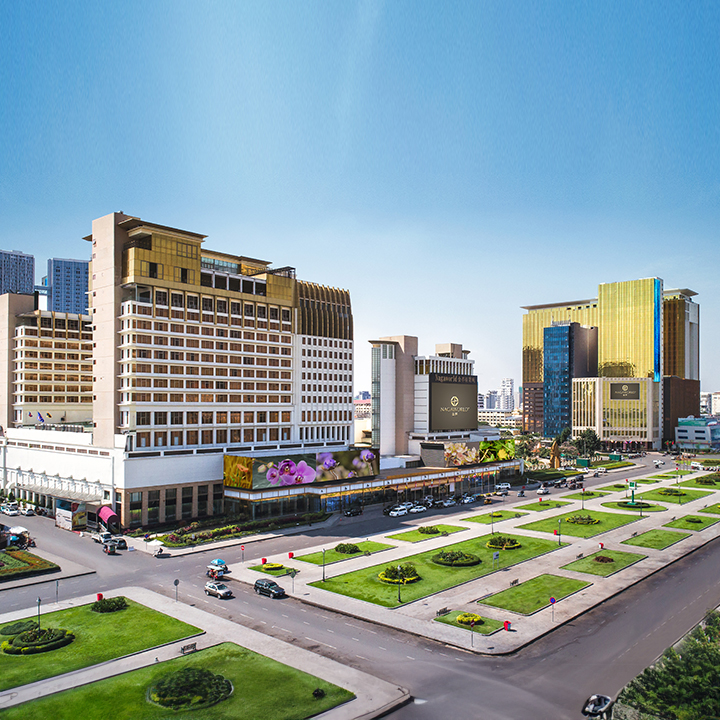
NagaWorld Integrated Resort

Queenco Hotel & Casino

Star Vegas Casino

Crown Casino

Grand Dragon Resorts

Le Macau Casino Hotel
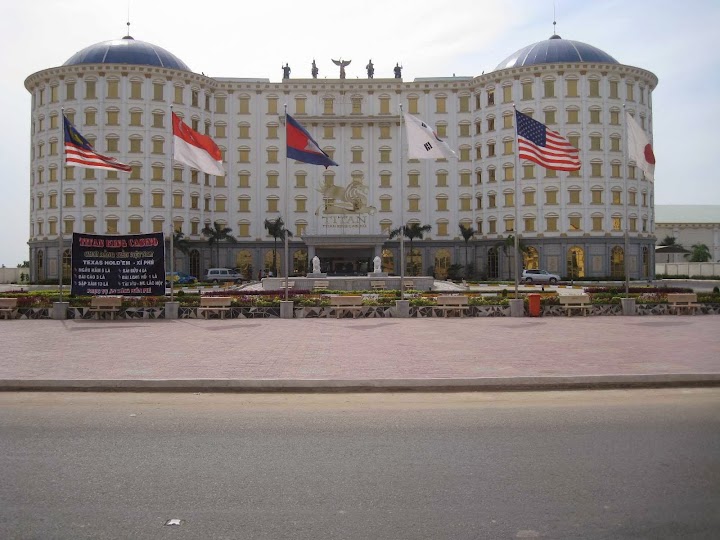
Titan King Casino Resort

Golden Galaxy Hotel & Casino

JinBei Casino & Hotel
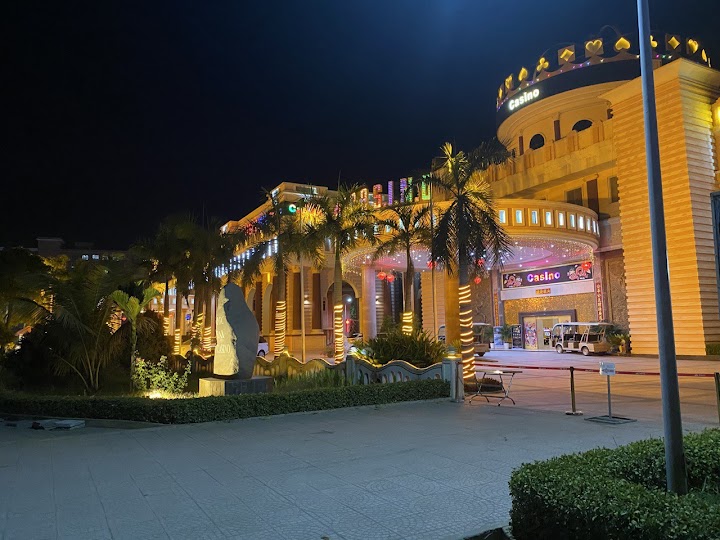
Bavet Mocbai Casino & Hotel

Tropicana Resort & Casino

La Vogue Boutique Hotel & Casino

Pailin Flamingo Casino
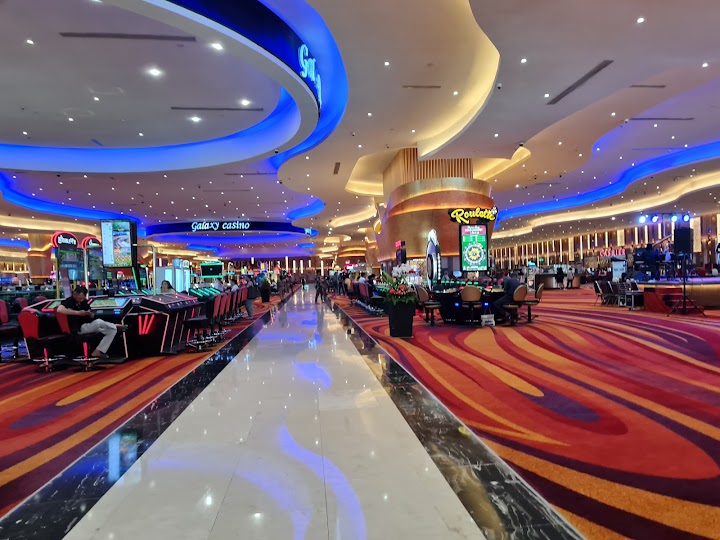
Galaxy

Yong Yuan Casino

Shanghai Resort

Crown Casino Chrey Thom
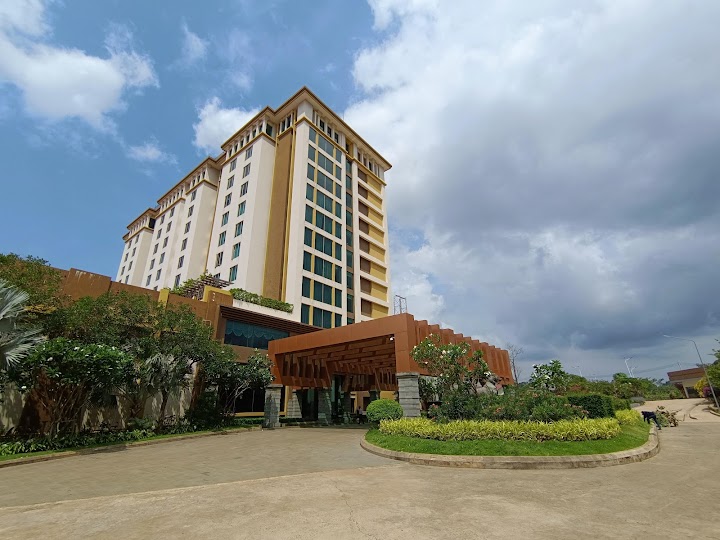
Sangam Resort & Casino

Lucky Ruby Border Casino

Goddess of Liberty
Gambling in Cambodia
Cambodia, a nation known for its rich history and stunning Angkor Wat temples, has also carved out a unique niche in the global gambling landscape. Unlike many of its Southeast Asian neighbors, Cambodia has adopted a relatively open, albeit regulated, approach to offline gambling, primarily catering to an international clientele. This post delves into the intricacies of offline gambling within the Kingdom, exploring its legal framework, key hubs, economic impact, and regulatory challenges.
Legal Framework: A Tale of Two Gamblers ⚖️
Cambodia’s gambling laws are characterized by a striking duality: strict prohibition for Cambodian citizens, yet a permissive environment for foreign passport holders. This distinction forms the bedrock of the country's gambling policy, aimed at generating revenue while mitigating the social costs associated with domestic gambling addiction.
Key Legislation 📜
The primary legal instrument governing gambling in Cambodia is the 1996 Law on the Suppression of Gambling. While this law broadly prohibits gambling activities, subsequent sub-decrees and directives have carved out significant exceptions, particularly for licensed casino operations.
More recently, the Cambodian government passed the Law on Commercial Gambling Management (LCGM) in November 2020. This landmark legislation aims to centralize and tighten control over the industry, enhance tax collection, and combat illegal gambling. It classifies gambling into three categories:
- Commercial Gambling: Permitted and regulated, primarily referring to casinos.
- Social Gambling: Small-scale, traditional gambling during festivals, often overlooked or tolerated.
- Illegal Gambling: All other forms not covered by the above, subject to strict penalties.
A Dual System: Locals vs. Foreigners 🛂
Under Cambodian law, it is illegal for Cambodian citizens to gamble in casinos or participate in most forms of organized gambling. Casinos are specifically licensed to serve foreign visitors. This separation is strictly enforced, with casinos typically requiring patrons to show a foreign passport upon entry.
However, the lines can sometimes blur, particularly with widespread illegal gambling operations that cater to locals. Despite government crackdowns, these underground activities persist.
Types of Offline Gambling 🎲
While the focus is predominantly on casinos, Cambodia offers various forms of offline gambling, both legal and illegal.
Licensed Casinos 🎰
Casinos are the cornerstone of Cambodia's legal offline gambling sector. They are typically located in designated economic zones or border towns, strategically positioned to attract visitors from neighboring countries, particularly Thailand and Vietnam, where casino gambling is largely prohibited. These establishments offer a wide array of games:
- Table Games: Blackjack, Baccarat, Roulette, Poker (various variants), Sic Bo, Dragon Tiger, and more. Baccarat is particularly popular among Asian clientele.
- Slot Machines: A vast selection of electronic gaming machines (EGMs) offering different themes and payout structures.
- Electronic Table Games (ETGs): Hybrid versions of table games played on terminals, often with a live dealer or automated game.
Other Legal & Grey Areas 🎟️
While not as prominent as casinos, other forms of gambling exist:
- State Lottery: A government-run lottery system is legal and accessible to citizens.
- Horse Racing: Limited legal horse racing events with pari-mutuel betting.
Illegal Operations 🚫
Despite stringent laws, illegal gambling remains a significant issue across the country. These often include:
- Underground Betting: On sports (especially football), cockfighting, and other events.
- Illegal Lotteries/Numbers Games: Often based on results from legal lotteries in neighboring countries.
- Unlicensed Gambling Dens: Small-scale operations offering card games or other forms of betting.
Major Gambling Hubs 🗺️
Cambodia's offline gambling scene is concentrated in specific geographical areas, each with its own characteristics and target demographic.
Sihanoukville: A Rollercoaster Ride 🎢
Once a sleepy coastal town, Sihanoukville rapidly transformed into a gambling boomtown between 2017 and 2019, driven by massive Chinese investment and the proliferation of online and offline casinos. At its peak, there were dozens of casinos, largely catering to a Chinese clientele. However, the government's ban on online gambling in August 2019, followed by the COVID-19 pandemic, led to a significant downturn. Many casinos closed, and the city is now in a phase of recalibration, seeking to diversify its tourism appeal.
Poipet: The Border Gateway 🤝
Located on the border with Thailand, Poipet is arguably Cambodia's oldest and most established casino hub. Its strategic location makes it a popular destination for Thai gamblers, who can easily cross the border for a day or weekend of gambling. The town is home to numerous casinos, offering a classic border-town gambling experience.
Bavet: Another Border Town 🇻🇳
Situated on the border with Vietnam, Bavet serves a similar function to Poipet, attracting Vietnamese gamblers. It has seen consistent development in its casino sector, albeit on a smaller scale than Sihanoukville's peak.
Phnom Penh: The Capital's Landmark 🏙️
The capital city, Phnom Penh, is home to NagaWorld, the country's largest and most prominent integrated resort. NagaWorld holds an exclusive casino license for a significant radius around the city, making it the primary legal gambling destination for visitors to the capital. It offers a luxurious experience beyond just gambling, including hotels, restaurants, and entertainment venues.
Economic & Social Impact 📊
The gambling industry has had a profound, multi-faceted impact on Cambodia.
Economic Benefits 💰
- Revenue Generation: Gambling contributes significantly to the national budget through taxes, licensing fees, and levies. The 2020 LCGM aims to increase and stabilize this revenue.
- Job Creation: Casinos and related industries provide employment opportunities for thousands of Cambodians, from dealers and service staff to construction workers.
- Tourism Boost: The presence of casinos attracts international tourists, who also spend on accommodation, food, and other services, indirectly benefiting other sectors of the economy.
- Infrastructure Development: Gambling-related investments have spurred infrastructure development in casino hubs, including roads, airports, and utilities.
Social Challenges 😥
- Social Ills: Despite the ban on locals gambling, issues like problem gambling, debt, and associated criminal activities (e.g., loan sharking) remain concerns.
- Crime and Illicit Activities: The rapid growth of gambling, especially in areas like Sihanoukville, has been linked to an increase in crime, money laundering, and human trafficking, though authorities have been working to address these issues.
- Environmental Impact: Uncontrolled development, particularly in Sihanoukville, led to environmental degradation and strain on local resources.
- Labor Exploitation: Reports of exploitation, particularly in online gambling operations that recruited foreign workers, have surfaced.
Regulatory Landscape & Future Outlook 🔮
The Cambodian government faces ongoing challenges in effectively regulating its gambling sector. The 2020 LCGM is a clear indicator of the government's intent to bring more order and transparency to the industry. The focus is shifting from simply attracting investment to ensuring responsible growth and maximizing legitimate revenue.
Key regulatory efforts include:
- Stricter Licensing: The government is reviewing existing licenses and implementing more rigorous criteria for new ones.
- Enhanced Tax Collection: A more systematic approach to collecting taxes from gambling operators.
- Combating Illegal Gambling: Increased efforts to crack down on unlicensed operations and cross-border illicit activities.
The future of offline gambling in Cambodia will likely see a move towards fewer, but larger and more regulated, integrated resorts. The era of unchecked proliferation of small casinos may be over, with a greater emphasis on quality, responsible gaming, and long-term sustainability that aligns with broader tourism and economic development goals.
Conclusion 🏁
Offline gambling in Cambodia is a complex, evolving phenomenon. It represents a significant economic driver, attracting foreign investment and tourism, while simultaneously presenting considerable social and regulatory challenges. The government's recent legislative reforms signal a commitment to bring greater control and legitimacy to the sector. As Cambodia continues to mature as a tourist destination, its approach to gambling will undoubtedly continue to adapt, balancing economic aspirations with the imperative for responsible development.