
Your Ultimate Guide to Offline Gambling in Philippines 🗺️
Welcome to your premier guide for offline gambling in Philippines, featuring a curated list of its top casinos! Aipcoin.com offers comprehensive reviews, inside...more
Welcome to your premier guide for offline gambling in Philippines, featuring a curated list of its top casinos! Aipcoin.com offers comprehensive reviews, insider tips, and essential details on the best land-based casino experiences Philippines has to offer. Whether you're seeking luxury resorts or local gaming hotspots, find all the information you need right here 🗺️.
Explore Philippines's Elite Casinos & Essential Gaming Info 🧐
Dive into our detailed listings of leading casinos in Philippines, complete with insights on game variety, amenities, and location. We also provide crucial guidance on Philippines's gambling laws, currency, etiquette, and tips for a safe and responsible gaming adventure. Let Aipcoin.com help you plan your ultimate casino visit in Philippines and discover its most thrilling gaming destinations!
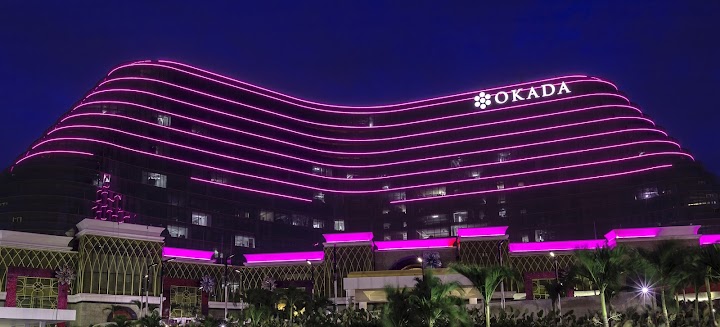
Okada Manila

Solaire Resort
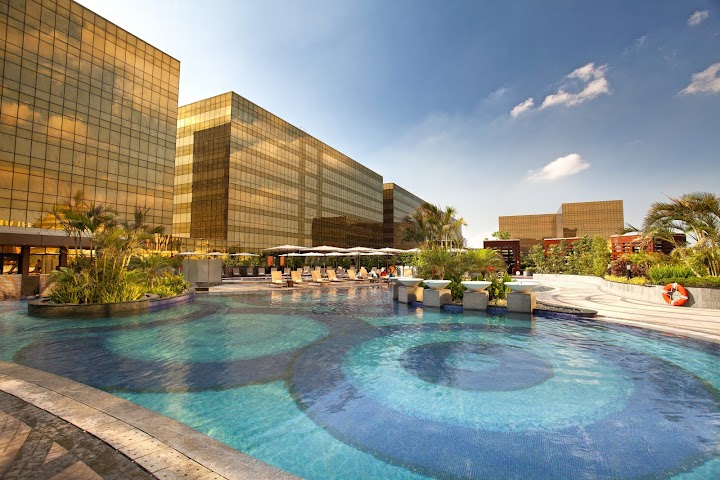
City of Dreams Manila - Luxury Resort & Casino in Metro Manila, Philippines
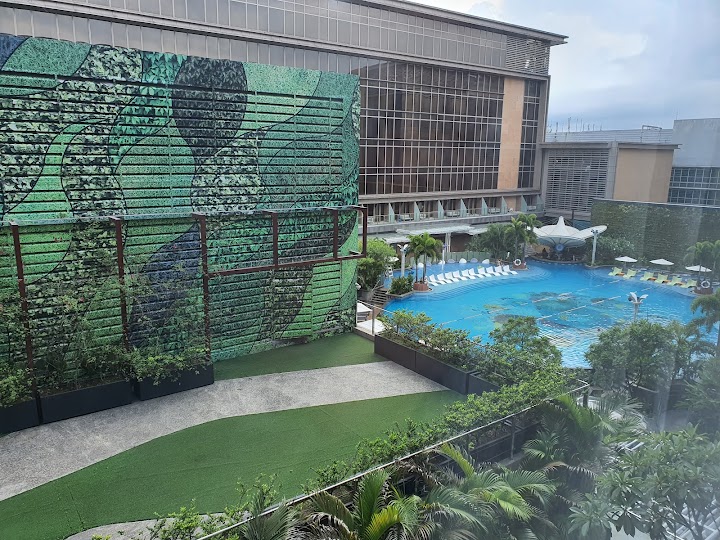
Newport World Resorts

Waterfront Cebu City Hotel & Casino

NUSTAR Resort & Casino

Midas Hotel and Casino
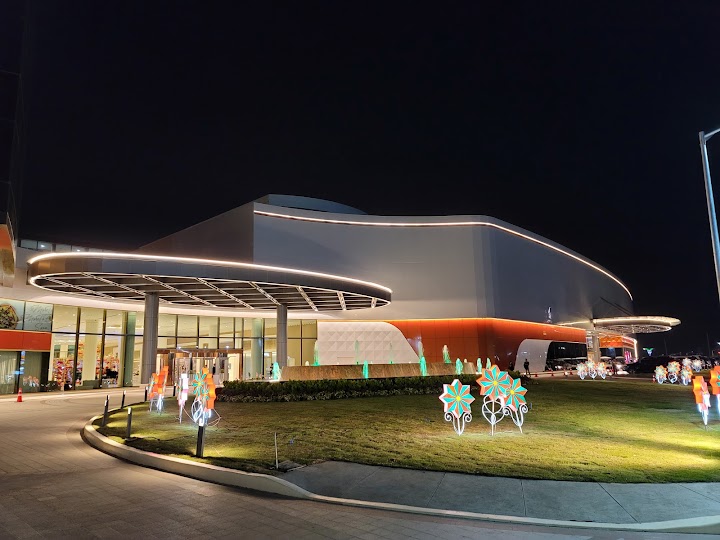
Royce Hotel and Casino

Midori Clark Hotel and Casino
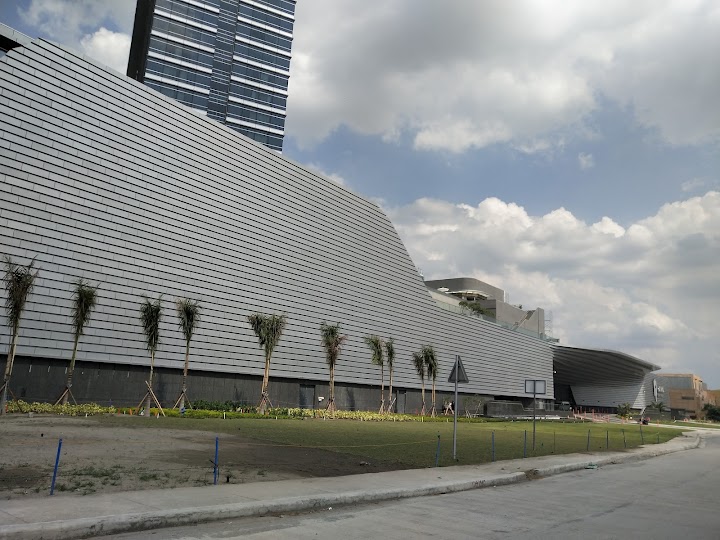
Hann Casino Resort
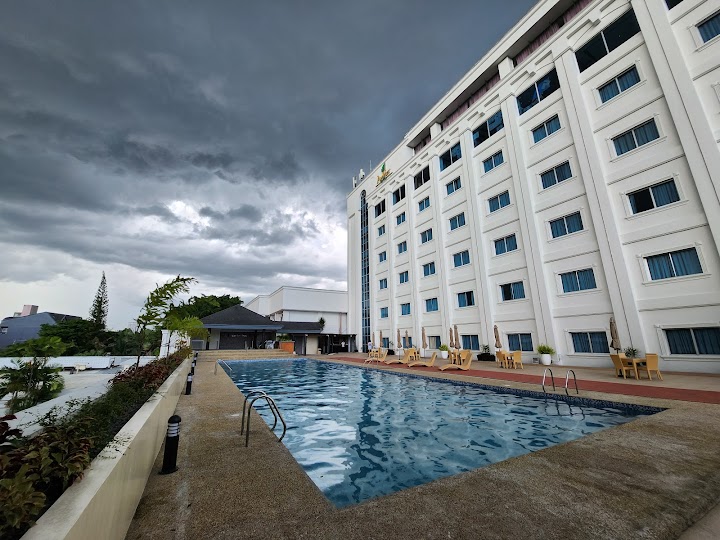
Apo View Hotel
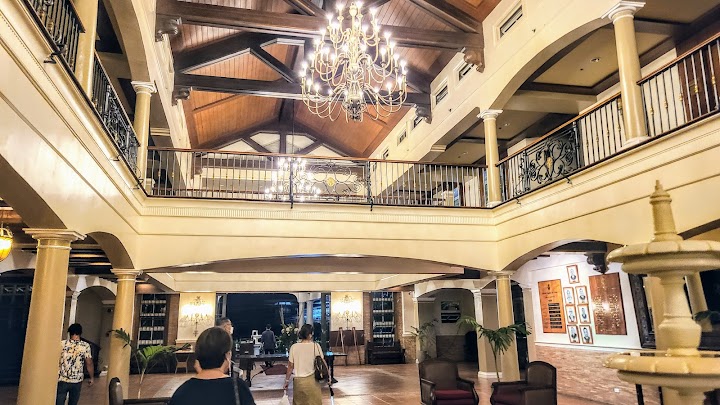
Casino Español de Cebu

Grand Regal Hotel & Casino

Casino Filipino by Pagcor
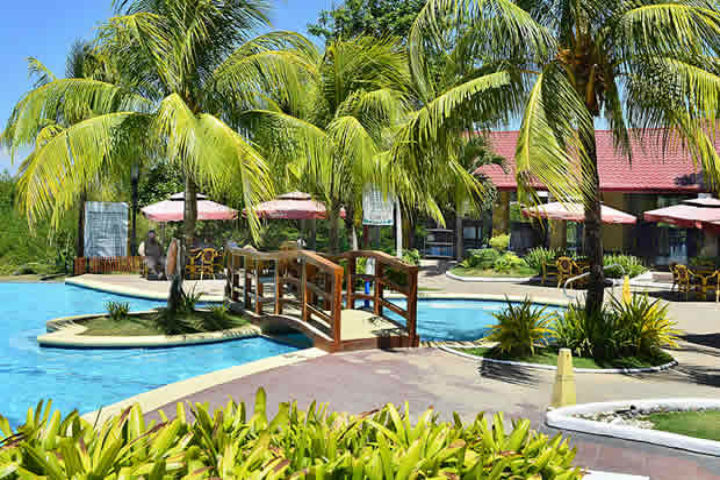
Thunderbird Resorts and Casinos Rizal

Solaire Resort North

PAGCOR Angeles
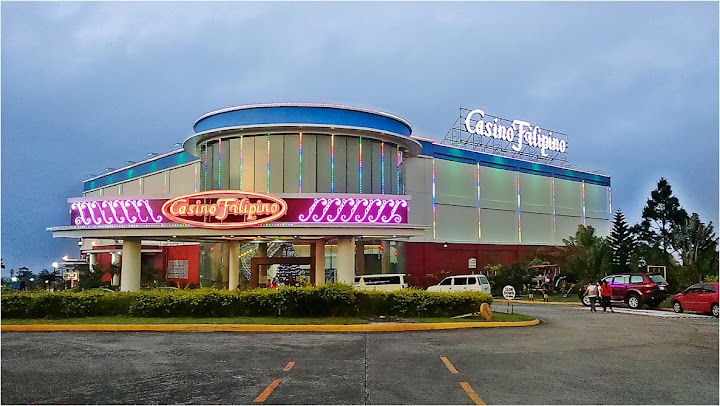
Casino Filipino Tagaytay
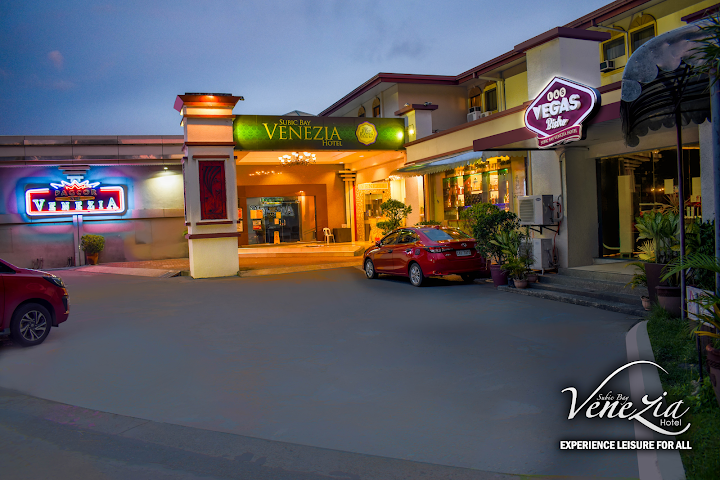
Subic Bay Venezia Hotel
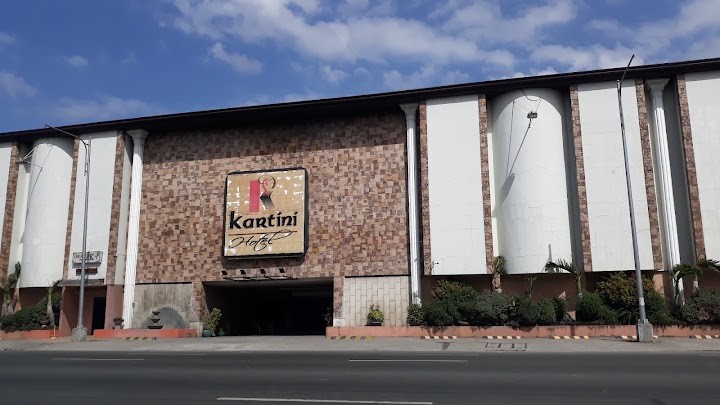
Kartini Hotel
Gambling in Philippines
The Philippines stands as a prominent hub for gambling in Asia, often referred to as the "Las Vegas of Asia" or "Macau's Rival." Its vibrant and extensive offline gambling industry attracts a significant number of tourists and locals alike, contributing substantially to the national economy. This detailed post delves into the various facets of land-based gambling in the archipelago, from its legal framework to the diverse gaming options available.
Regulatory Landscape: PAGCOR and Beyond 🏛️
The gambling sector in the Philippines is primarily regulated by the Philippine Amusement and Gaming Corporation (PAGCOR). Established in 1976, PAGCOR is a government-owned and controlled corporation (GOCC) that operates, licenses, and regulates gaming establishments in the country. Its mandate includes generating revenues for the government's socio-civic projects.
While PAGCOR oversees most casino and gaming operations, other entities also play a role:
- Philippine Charity Sweepstakes Office (PCSO): Responsible for operating lotteries, sweepstakes, and scratch-it games, with proceeds allocated for health programs and charities.
- Games and Amusements Board (GAB): Regulates professional sports and amusements, including specific aspects of cockfighting and horse racing.
It's crucial to understand that gambling is largely legal and regulated in the Philippines, distinguishing it from many neighboring Asian countries where it remains prohibited or heavily restricted.
Types of Offline Gambling Activities 🎰
The Philippines offers a wide array of land-based gambling options, catering to diverse preferences:
Integrated Resorts and Casinos ✨
These are the flagship of the Philippine gambling industry. Large-scale integrated resorts combine luxury hotels, convention centers, shopping malls, entertainment venues, and, of course, expansive casino floors. They offer a comprehensive range of games:
- Blackjack
- Baccarat (a significant favorite, especially among high rollers)
- Roulette
- Craps
- Poker (Texas Hold'em, Omaha, etc.)
- Slot Machines (video slots, progressive jackpots, classic reels)
- Electronic Table Games (ETGs)
The development of these resorts, particularly in Manila's Entertainment City, has been a key driver of the industry's growth.
PAGCOR e-Games and Gaming Cafes 🎮
Beyond the large casinos, PAGCOR operates a network of smaller, localized gaming venues known as e-Games stations or gaming cafes. These offer electronic casino games, often accessible via terminals, providing a more casual and widespread gambling experience. They typically feature:
- Electronic Baccarat
- Electronic Roulette
- Video Poker
- Electronic Slot Machines
These establishments bring regulated gambling closer to communities, serving as an alternative to the grander casino resorts.
Sports Betting ⚽
Sports betting is another popular form of gambling, with dedicated venues and kiosks often operated by PAGCOR or its licensees. While online sports betting has gained traction, land-based facilities remain prevalent, allowing bettors to wager on a variety of local and international sports events, including:
- Basketball (PBA, NBA)
- Football (Soccer)
- Boxing
- Cockfighting (Sabong) - often considered a separate category due to its cultural significance.
Bingo 🥳
Bingo is a widely enjoyed social gambling activity in the Philippines. PAGCOR licenses numerous bingo halls across the country, offering both traditional paper bingo and electronic bingo terminals. These venues are popular among various demographics, providing entertainment and community engagement.
Cockfighting (Sabong) 🐔
Cockfighting, or sabong, holds a unique and deeply entrenched cultural significance in the Philippines, dating back centuries. It is legally regulated and immensely popular, with dedicated arenas (cockpits) found nationwide. Wagering on cockfights is a traditional form of gambling that continues to thrive, regulated by the Games and Amusements Board (GAB) alongside local government units.
Philippine Charity Sweepstakes Office (PCSO) Games 🍀
While not traditionally grouped with casino gambling, PCSO games are a form of offline gambling that contribute significantly to charity. These include:
- Lotto: Various draw games with multi-million peso jackpots (e.g., Ultra Lotto 6/58, Grand Lotto 6/55, Super Lotto 6/49).
- Keno: A fast-paced draw game.
- Scratch-It Tickets: Instant win games.
PCSO outlets are ubiquitous, making these games highly accessible to the general public.
Illegal Gambling Operations 🚫
Despite the prevalence of legal gambling, illegal gambling activities persist. These include unlicensed cockfights (tupada), illegal numbers games (e.g., jueteng), and clandestine gaming dens. Authorities continually work to crack down on these illicit operations, which pose risks to participants and deprive the government of revenue.
Major Gambling Hubs and Destinations 🌆
The epicenter of the Philippine gambling industry is primarily concentrated in a few key areas:
- Entertainment City, Parañaque, Metro Manila: This reclamation area along Manila Bay is home to some of the largest and most luxurious integrated resorts, including City of Dreams Manila, Okada Manila, Solaire Resort and Casino, and the soon-to-open Westside City Project. It is designed to be a premier gaming and entertainment destination.
- Resorts World Manila (Newport World Resorts), Pasay, Metro Manila: Located near Ninoy Aquino International Airport (NAIA), this was the first integrated resort in the Philippines and remains a significant player.
- Clark Freeport Zone, Pampanga: A growing gaming hub with several casinos like Royce Hotel and Casino, Hann Casino Resort, and Widus Hotel and Casino. Its accessibility from North Luzon makes it an attractive destination.
- Subic Bay Freeport Zone, Zambales: Another freeport zone with established casino operations, though generally smaller than those in Manila or Clark.
- Cebu City: Home to casinos catering to both locals and tourists in the central Philippines.
These locations benefit from strong tourism infrastructure, including international airports, hotels, and transportation networks, facilitating the influx of players.
Economic Impact and Contribution 💰
The offline gambling industry is a significant contributor to the Philippine economy:
- Revenue Generation: PAGCOR remits a substantial portion of its gross gaming revenues to the national treasury, funding various government projects, including social services, health, education, and infrastructure.
- Job Creation: The integrated resorts and casinos employ tens of thousands of people directly and indirectly, from casino staff and hotel personnel to construction workers and service providers.
- Tourism Driver: The allure of world-class casinos attracts international tourists, boosting the hospitality, retail, and transportation sectors.
- Foreign Direct Investment (FDI): The construction and operation of mega-resorts attract significant foreign investment into the country.
However, the industry's reliance on high rollers and international tourists also makes it susceptible to global economic downturns and travel restrictions, as seen during the COVID-19 pandemic.
Social Considerations and Responsible Gaming 🤝
While economically beneficial, the gambling industry also presents social challenges:
- Problem Gambling: The accessibility of gambling can lead to addiction and financial distress for some individuals and their families.
- Money Laundering Concerns: Large cash transactions inherent in gambling can make casinos vulnerable to money laundering, prompting strict anti-money laundering (AML) regulations.
- Social Costs: Increased crime rates or other societal issues might be linked to problem gambling, though direct causality is often debated.
PAGCOR and casino operators have implemented various responsible gaming initiatives to mitigate these risks. These include:
- Exclusion Programs: Allowing individuals or their families to request self-exclusion from gaming venues.
- Information Campaigns: Educating the public on the risks of problem gambling and promoting responsible play.
- Support Hotlines: Providing resources for individuals struggling with gambling addiction.
- Strict Age Verification: Enforcing a minimum age for entry into gaming establishments (typically 21 years old for casinos and 18 for PCSO games).
Future Outlook 🌱
The future of offline gambling in the Philippines appears poised for continued growth, albeit with evolving dynamics. While new integrated resorts are still being developed, there's increasing focus on:
- Diversification of Offerings: Moving beyond pure gambling to enhance non-gaming amenities like MICE (Meetings, Incentives, Conferences, and Exhibitions) facilities, entertainment, and retail to attract a broader demographic.
- Technological Integration: While primarily land-based, casinos are adopting more advanced electronic gaming machines and systems.
- Regional Development: Exploring opportunities for growth in areas outside of Metro Manila, such as Clark and Cebu, to decentralize the industry and distribute economic benefits.
- Heightened Regulation and Oversight: Continuous efforts to strengthen anti-money laundering measures and promote responsible gaming practices.
Conclusion ✅
Offline gambling in the Philippines is a multifaceted industry, deeply intertwined with the nation's economy and social fabric. Regulated by PAGCOR and other bodies, it offers a wide spectrum of legal gaming options, from world-class integrated resorts to traditional cockfighting. While it brings significant economic benefits through revenue generation, job creation, and tourism, it also necessitates robust responsible gaming measures to address potential social challenges. As the industry evolves, it continues to solidify the Philippines' position as a major gaming destination in Southeast Asia.