
Your Ultimate Guide to Offline Gambling in Australia 🗺️
Welcome to your premier guide for offline gambling in Australia, featuring a curated list of its top casinos! Aipcoin.com offers comprehensive reviews, insider ...more
Welcome to your premier guide for offline gambling in Australia, featuring a curated list of its top casinos! Aipcoin.com offers comprehensive reviews, insider tips, and essential details on the best land-based casino experiences Australia has to offer. Whether you're seeking luxury resorts or local gaming hotspots, find all the information you need right here 🗺️.
Explore Australia's Elite Casinos & Essential Gaming Info 🧐
Dive into our detailed listings of leading casinos in Australia, complete with insights on game variety, amenities, and location. We also provide crucial guidance on Australia's gambling laws, currency, etiquette, and tips for a safe and responsible gaming adventure. Let Aipcoin.com help you plan your ultimate casino visit in Australia and discover its most thrilling gaming destinations!
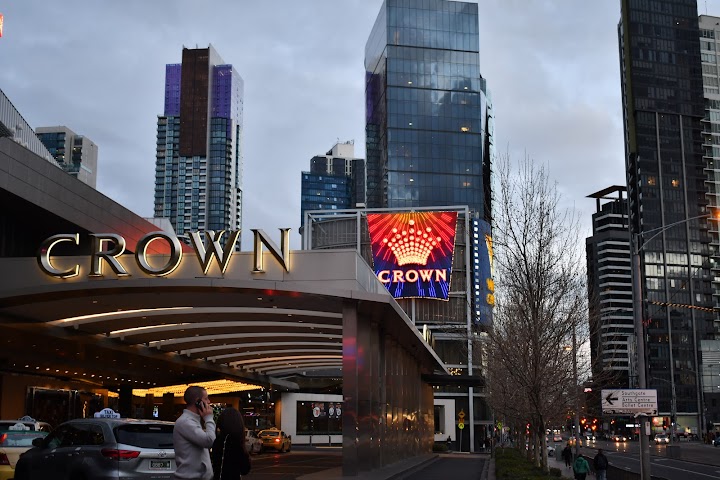
Crown Melbourne

Crown Perth
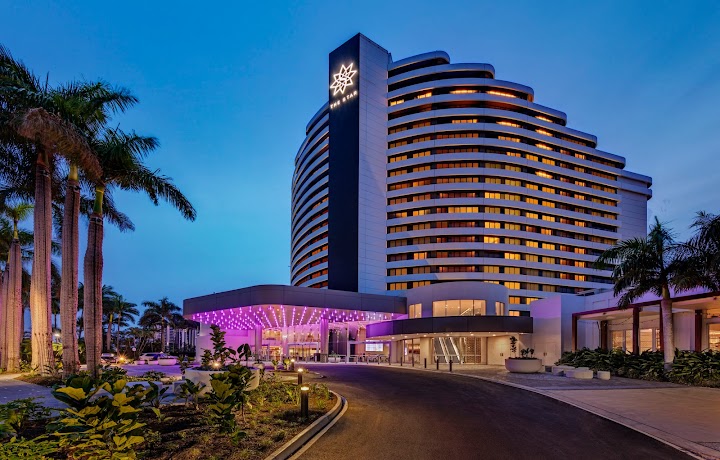
The Star Gold Coast
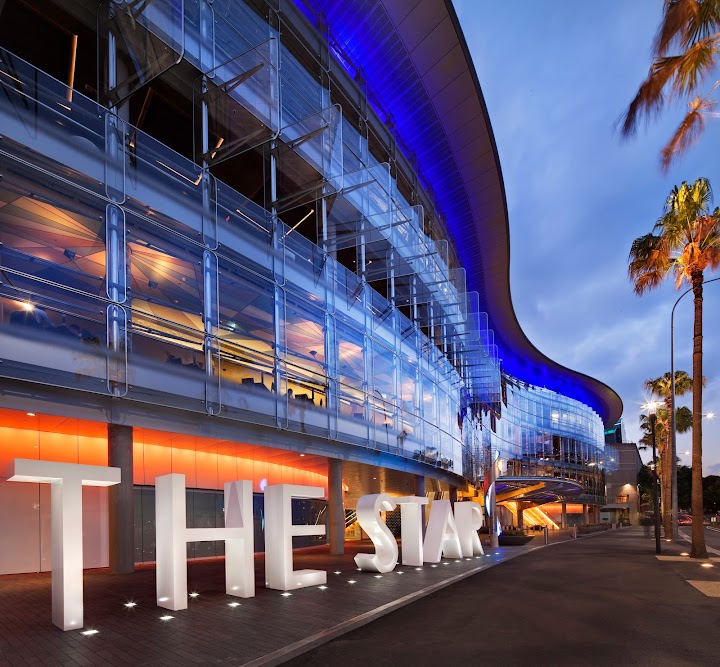
The Star
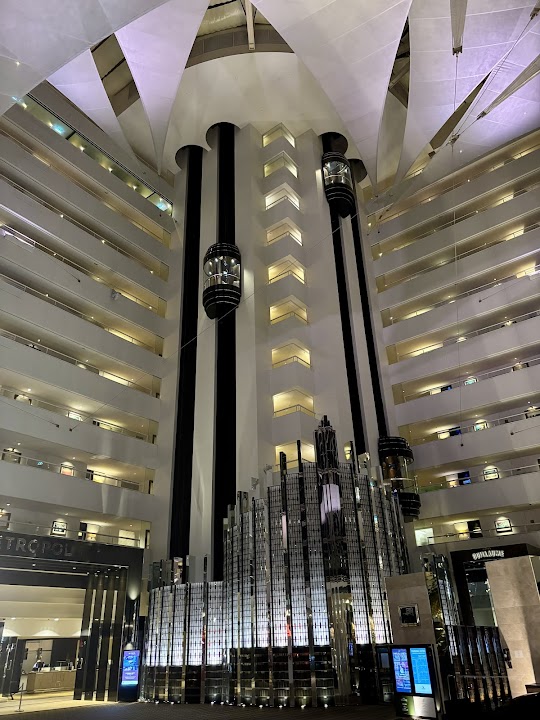
Crown Casino Perth
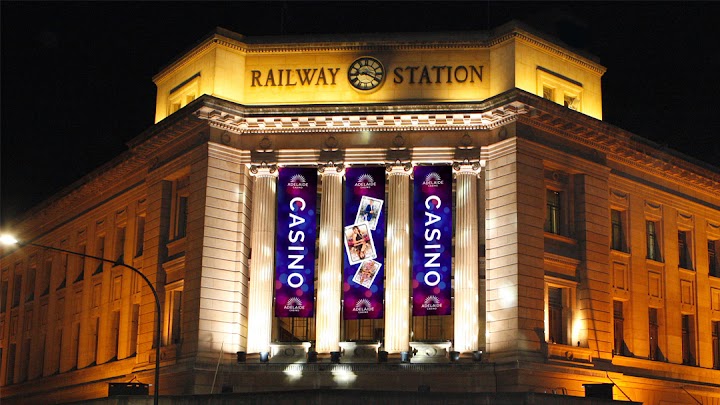
SkyCity Adelaide

The Ville Resort-Casino

Country Club Tasmania

The Star Brisbane
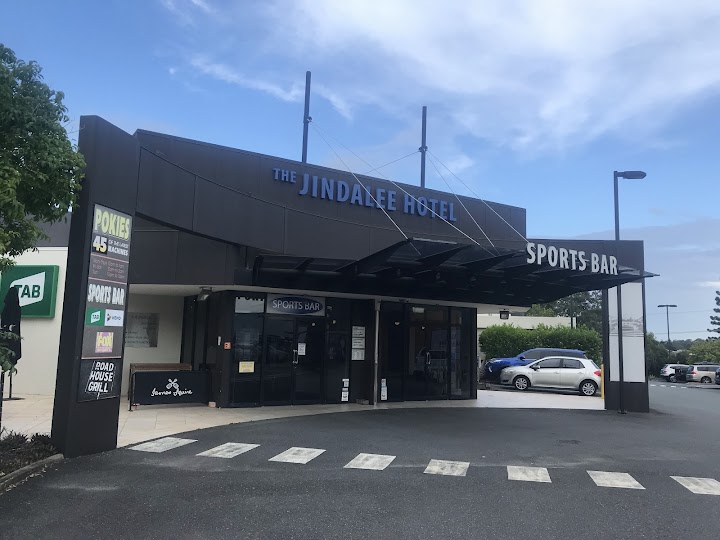
The Jindalee Hotel

The Reef Hotel Casino
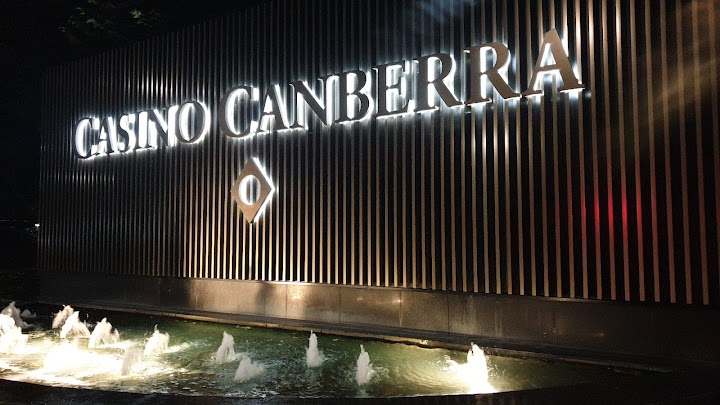
Casino Canberra
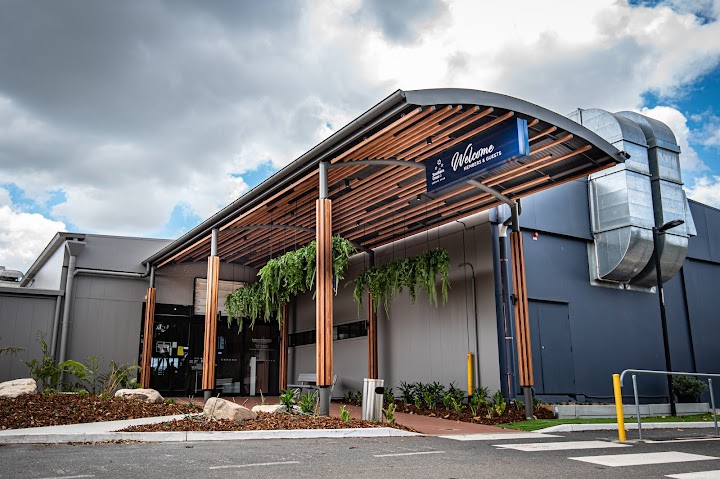
Southern Cross Sports Club

Country Club Villas

Alice Springs Convention Centre
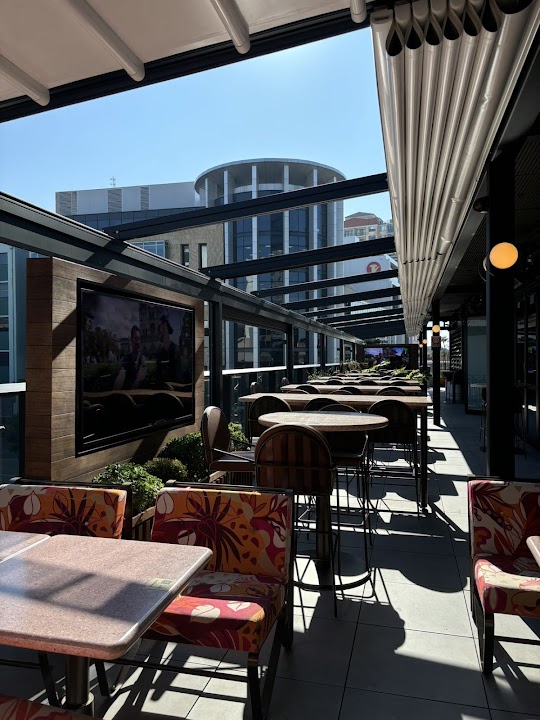
Humphrey's Hotel

Sovereign Room

Casino Wharf

Asquith Club

Lasseters Casino
Gambling in Australia
Australia boasts one of the highest per capita gambling rates in the world, with offline gambling forming a significant part of its social and economic fabric. From the ubiquitous electronic gaming machines (EGMs) found in pubs and clubs to world-class casinos and retail betting agencies, land-based gambling is deeply ingrained in the Australian landscape. This detailed post explores the various facets of offline gambling in the 'lucky country', covering its popular forms, regulatory environment, socio-economic impact, and responsible gambling efforts.
Popular Forms of Offline Gambling 🎲
Offline gambling in Australia encompasses a diverse range of activities, catering to various preferences and budgets.
Electronic Gaming Machines (EGMs) – "Pokies" 🎰
Often referred to as "pokies," electronic gaming machines are by far the most prevalent form of offline gambling in Australia. Unlike many other countries where EGMs are confined to casinos, in Australia, they are widely available in pubs, clubs (e.g., RSL clubs, sporting clubs), and dedicated gaming venues. This widespread accessibility contributes significantly to their popularity and also raises concerns about problem gambling.
- Prevalence: Australia has a disproportionately high number of EGMs per capita globally.
- Locations: Found in thousands of licensed pubs and clubs across states and territories.
- Features: Offer a variety of games, themes, and payout structures. Modern machines often incorporate interactive features and large jackpots.
Casinos 🃏
Australia is home to several large, integrated resort casinos offering a broad spectrum of gambling options alongside entertainment, dining, and accommodation. These establishments serve as major tourism hubs and provide a more traditional casino experience.
- Major Venues: Examples include Crown Resorts (Melbourne, Perth, Sydney), The Star (Sydney, Gold Coast, Brisbane), and SkyCity Adelaide.
- Games Offered: Traditional table games such as blackjack, roulette, baccarat, poker, as well as a large number of EGMs.
- Atmosphere: Designed to offer a high-end, immersive entertainment experience.
Lotteries and Keno 🎟️
Retail lottery sales and Keno are popular and accessible forms of offline gambling, often purchased from newsagents, supermarkets, or dedicated lottery kiosks.
- Lotteries:
- Scratch Cards: Instant-win tickets.
- Draw Lotteries: Such as Powerball, Oz Lotto, Saturday Lotto, offering large jackpots. These are bought physically at retail outlets.
- Keno: A fast-paced numbers game often played in pubs, clubs, and casinos, with draws occurring every few minutes.
Wagering (Sports Betting & Racing) 🏇
While online wagering has surged, retail outlets for sports and racing betting remain a significant part of the offline gambling landscape.
- TAB Agencies: Totalisator Agency Board (TAB) outlets are common in pubs, clubs, and standalone shops, allowing patrons to place bets on horse racing, harness racing, greyhound racing, and various sports.
- On-Course Bookmakers: Bookmakers operate physically at racecourses, taking bets directly from attendees.
Regulatory Landscape ⚖️
Gambling regulation in Australia is complex, primarily managed at the state and territory level rather than federally. This leads to variations in laws, licensing, and harm minimisation measures across different jurisdictions.
State and Territory Regulation
Each Australian state and territory has its own specific legislation and regulatory bodies governing gambling activities. This decentralised approach means that a casino in New South Wales might operate under different rules than one in Victoria or Queensland.
- Licensing: Governments issue licenses for gambling venues and operators.
- Taxation: States and territories collect significant tax revenue from gambling operations.
- Compliance: Regulatory bodies ensure operators adhere to legal and responsible gambling frameworks.
Key Regulatory Bodies
Examples of regulatory bodies include:
- Victorian Gambling and Casino Control Commission (VGCCC)
- NSW Liquor & Gaming
- Queensland Office of Liquor and Gaming Regulation (OLGR)
- WA Department of Local Government, Sport and Cultural Industries
Socio-Economic Impact 💰
Offline gambling has a profound socio-economic impact in Australia, contributing significantly to government revenue and employment, but also raising concerns about social costs.
Revenue Generation
Gambling taxes are a substantial source of revenue for state and territory governments, which are often directed towards public services like health, education, and infrastructure. Operators also generate significant profits.
Employment
The gambling industry, particularly large casinos and club networks, provides direct and indirect employment opportunities across various sectors, including hospitality, security, management, and technology.
Problem Gambling Concerns
Despite the economic benefits, the widespread availability of offline gambling, especially EGMs, is frequently linked to high rates of problem gambling. This leads to social costs such as financial hardship, mental health issues, relationship breakdowns, and crime.
Responsible Gambling Initiatives 🤝
Australian gambling regulators and operators have implemented various measures aimed at promoting responsible gambling and mitigating harm. However, the effectiveness and scope of these initiatives are subjects of ongoing debate.
Self-Exclusion Programs
Individuals can voluntarily ban themselves from specific gambling venues or all venues within a jurisdiction for a set period or indefinitely. Venue staff are responsible for enforcing these exclusions.
Pre-Commitment Schemes
These schemes allow gamblers to set limits on the amount of money or time they spend on EGMs. While some schemes are voluntary, there is an ongoing discussion about making them mandatory or opt-out.
Support Services
Government-funded and non-profit organisations provide free and confidential support for individuals experiencing gambling harm and their families. Services include helplines, counselling, and financial advice.
- Gambling Help Online
- Gambler's Help (state-based services)
Industry Codes of Conduct
Many gambling venues adhere to industry codes of conduct that outline responsible practices, such as providing information on responsible gambling, offering breaks, and not serving alcohol to intoxicated patrons.
Challenges and Criticisms 🧐
The offline gambling sector in Australia faces persistent criticism and challenges, primarily centered around its social impact.
Addiction Rates
Critics argue that the design of EGMs and their widespread availability contribute to high rates of problem gambling and addiction, particularly among vulnerable populations.
Impact on Vulnerable Populations
Concerns are often raised about the disproportionate impact of gambling harm on lower-income individuals and communities.
Lobbying Influence
The powerful gambling industry in Australia has been accused of significant lobbying efforts that may influence policy and regulation, potentially hindering stricter harm minimisation measures.
Conclusion
Offline gambling is a deeply embedded and multifaceted industry in Australia, characterized by its high participation rates and diverse offerings. While it generates substantial revenue and employment, it also presents significant social challenges related to problem gambling. The ongoing dialogue between industry, government, and public health advocates aims to strike a balance between economic benefits and the imperative of community well-being, shaping the future of this unique Australian pastime.